
Alpacas and dogs: can they safely co-exist?
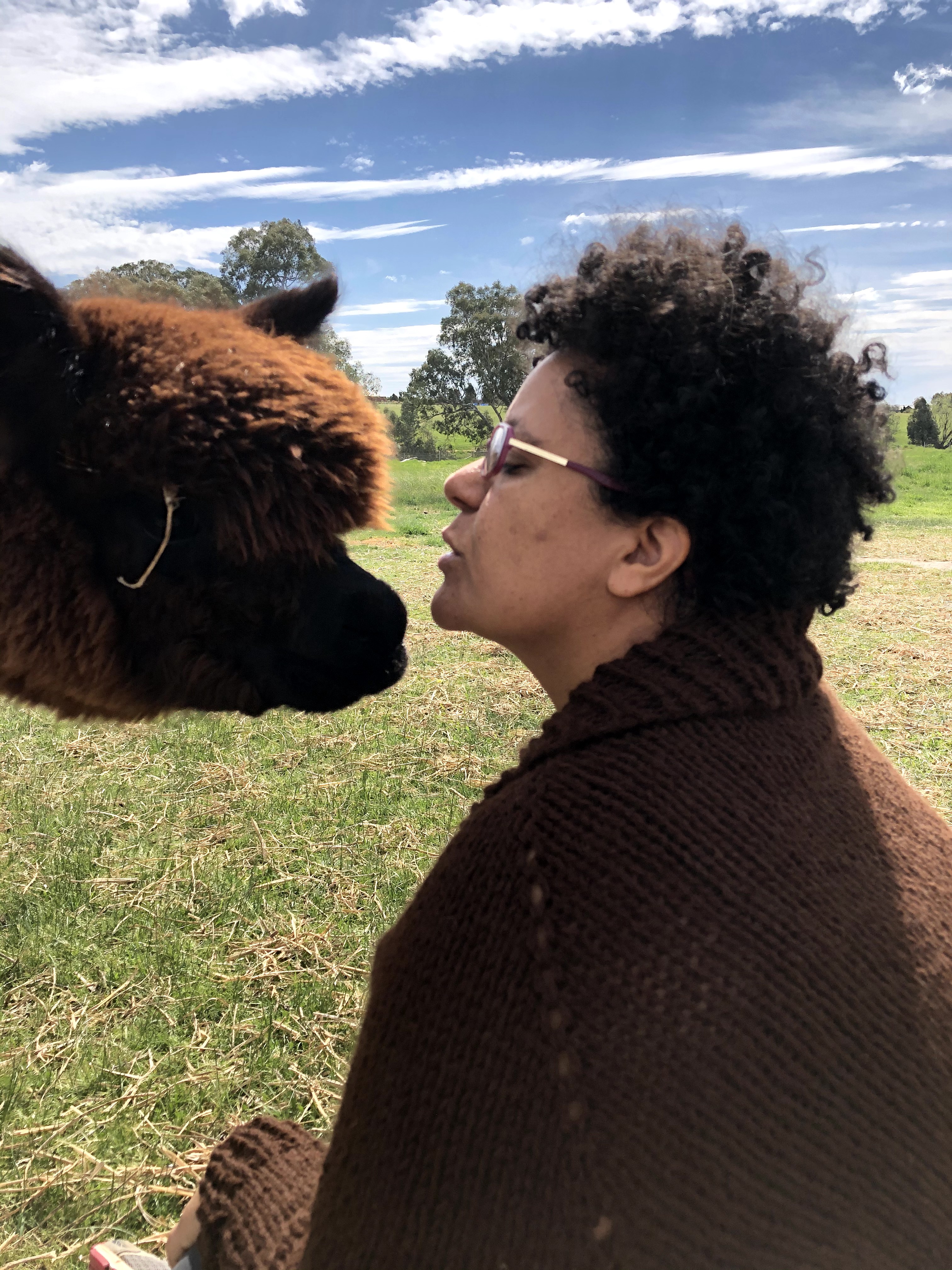
Every year, alpacas and llamas are severely injured or killed by dog attacks worldwide. It is a tragic reality that often surprises people, especially given the common knowledge that alpacas are frequently used as livestock guardian animals to deter foxes in Australia.
Many people wonder how this is possible. If an alpaca can handle a fox, why can't they defend themselves against a dog? Unfortunately, the simple biological answer is that they cannot.

Why do dogs pose a threat to alpacas and llamas?
As prey animals, South American camelids (alpacas and llamas) possess an entirely different evolutionary hardwiring than canines. According to the Australian Alpaca Association, veterinary evidence shows that even when a camelid survives the initial confrontation, the physiological toll of canine interaction can be fatal.
Prey vs. predator dynamics: Alpacas and llamas are classic prey species. Dogs, by nature, are predators. Because of this fundamental difference, camelids instinctively view any canine as an immediate threat to their survival, which triggers high levels of cortisol and stress.
The danger of the chase instinct: Even a friendly, well-meaning dog can cause a fatal event without ever making physical contact. When a dog chases an alpaca, the resulting panic can cause the camelid to suffer from acute stress, shock, pregnancy miscarriage, or fatal fence impacts as they attempt to flee.
The impact of pack mentality: Domestic dogs, or roaming neighbourhood dogs acting in tandem, quickly overwhelm the natural defence mechanisms of a camelid herd. While a mature alpaca may successfully stand their ground against a single fox, they stand little chance against the speed and coordination of canines.
Managing dogs and alpacas
The photograph at the beginning of this article shows our neighbour's dogs greeting our male alpacas across our property boundary. This peaceful interaction is not an accident; it is the direct result of intentional, daily management and strict adherence to low-stress livestock principles:
Familiarity and structural boundaries: Our alpacas recognise these specific dogs. They feel comfortable grazing near this fence line because a secure, heavy-duty physical barrier always separates them, ensuring the alpacas always feel safe and autonomous in their space.
Responsible dog ownership and training: Our neighbours supervise their dogs at all times. They have invested time in training them not to bark or harass our livestock.

Best practice dog and alpaca ownership: separate and supervise
Data from Victorian local governments, such as the Benalla Rural City Council Domestic Animal Management Plan, highlights that attacks by domestic pets on farming stock like alpacas are a severe, ongoing issue that frequently results in the death or euthanasia of valuable animals.
If you own dogs and are planning to introduce alpacas or llamas to your property, your primary responsibility is to design a system based on permanent separation and active supervision.
Create dedicated dog-proof zones: Maintain a secure, structurally sound domestic yard for your dogs that is completely separate from your livestock paddocks. Dogs should never have unsupervised access to alpacas/llamas grazing acreage.
Secure your outer boundary fencing: Ensure your external boundary lines are secure to prevent roaming neighbourhood dogs or stray animals from entering your paddocks. Standard stock fencing often requires reinforcement to keep determined canines out.
Always supervise interactions: Never leave dogs and camelids unattended together, regardless of how trustworthy, gentle, or elderly the dog seems.
At the end of the day, alpacas, llamas, and dogs are not naturally friends. However, they can safely coexist when owners take full responsibility for protecting, supporting, and supervising their shared environment.

Thinking about getting alpacas?
Come and meet the herd, ask all your questions, and learn what’s really involved in ethical, high-welfare alpaca ownership. Book a private farm visit to learn more.


